
Learning
How to Prepare for an Open-Book Exam
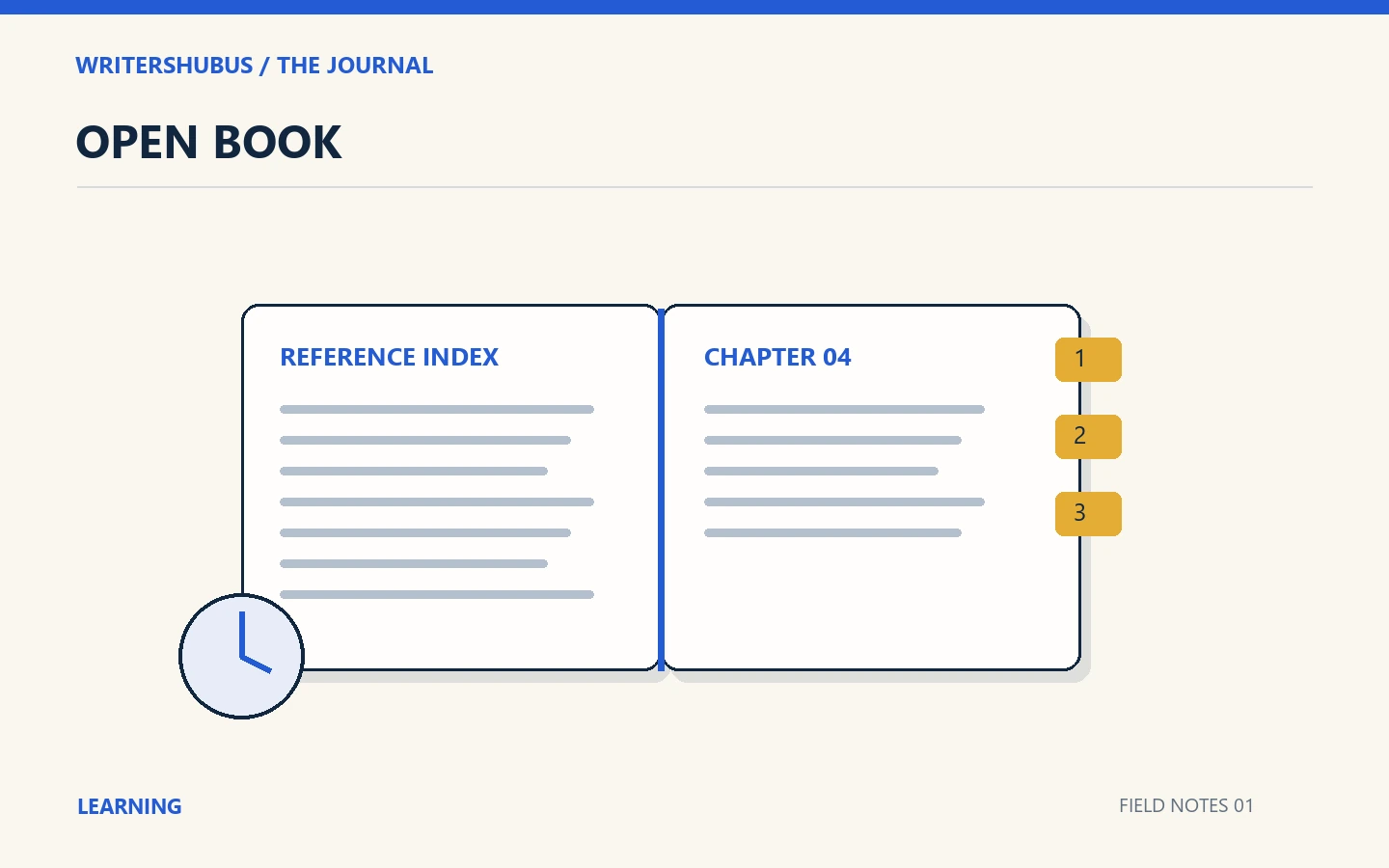
Build a usable reference index, practise applying course concepts and make a time plan for an open-book exam.
Thoughtful reads for the things you’re learning, the work you’re doing, and the life in between.

Featured article
Start with a story. Leave with a clearer next step.
Learning
Build a usable reference index, practise applying course concepts and make a time plan for an open-book exam.
Read the guide →Fresh reading
See all topics →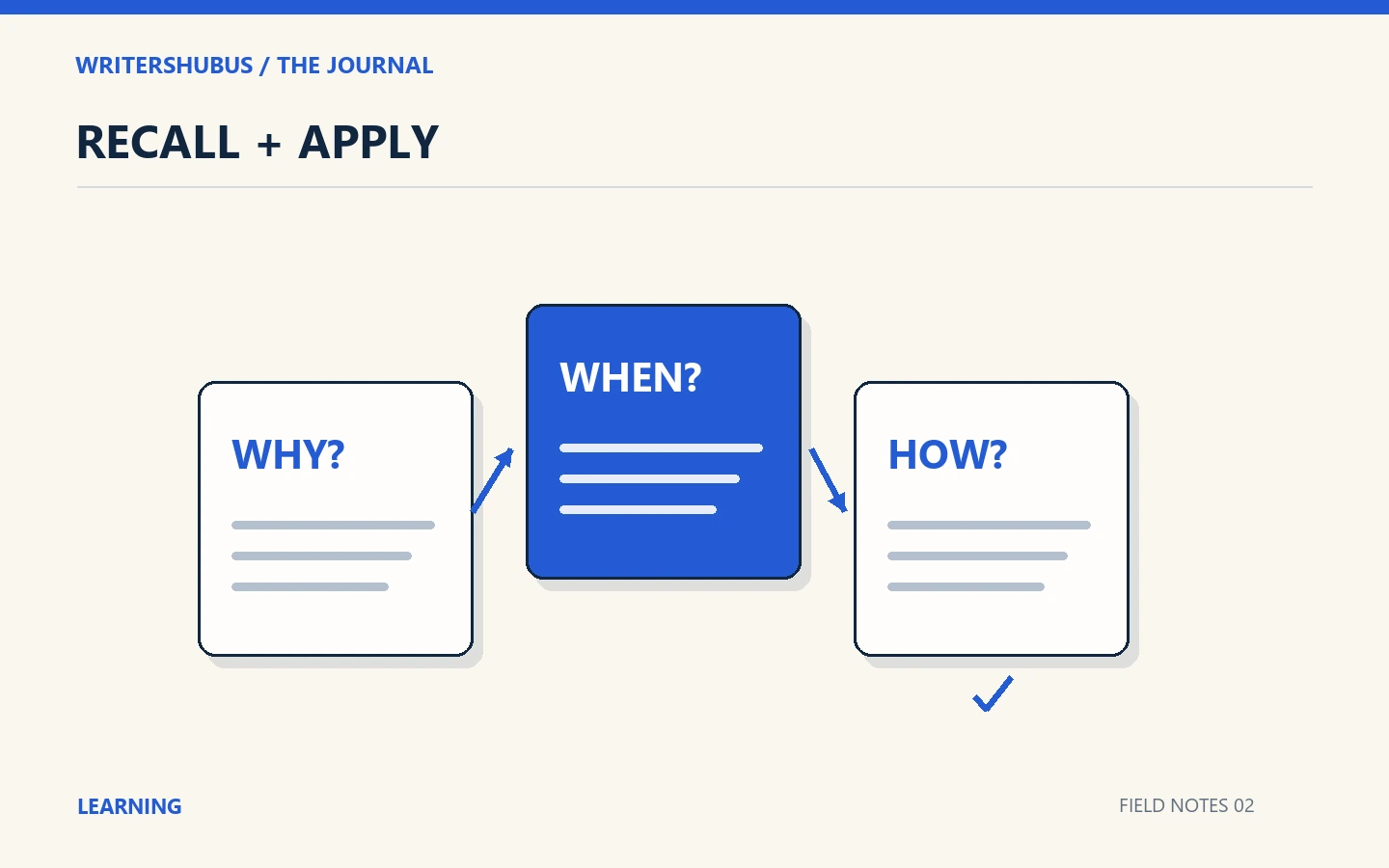
Learning
Create clearer prompts, check your answers honestly and connect flashcard reviews with the work your course expects.
Read story →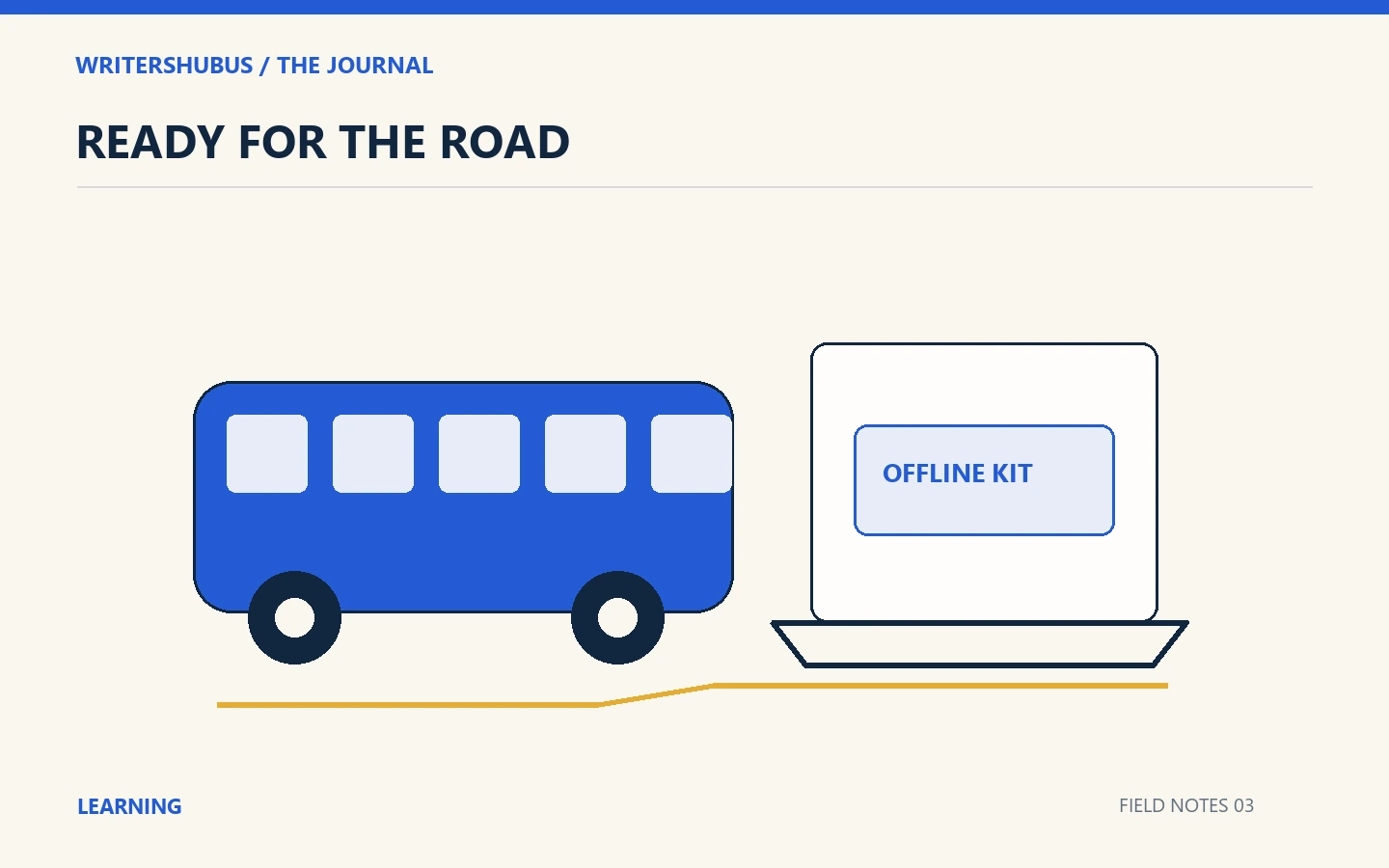
Learning
Prepare files, choose realistic travel tasks and check submission plans before leaving campus with your team.
Read story →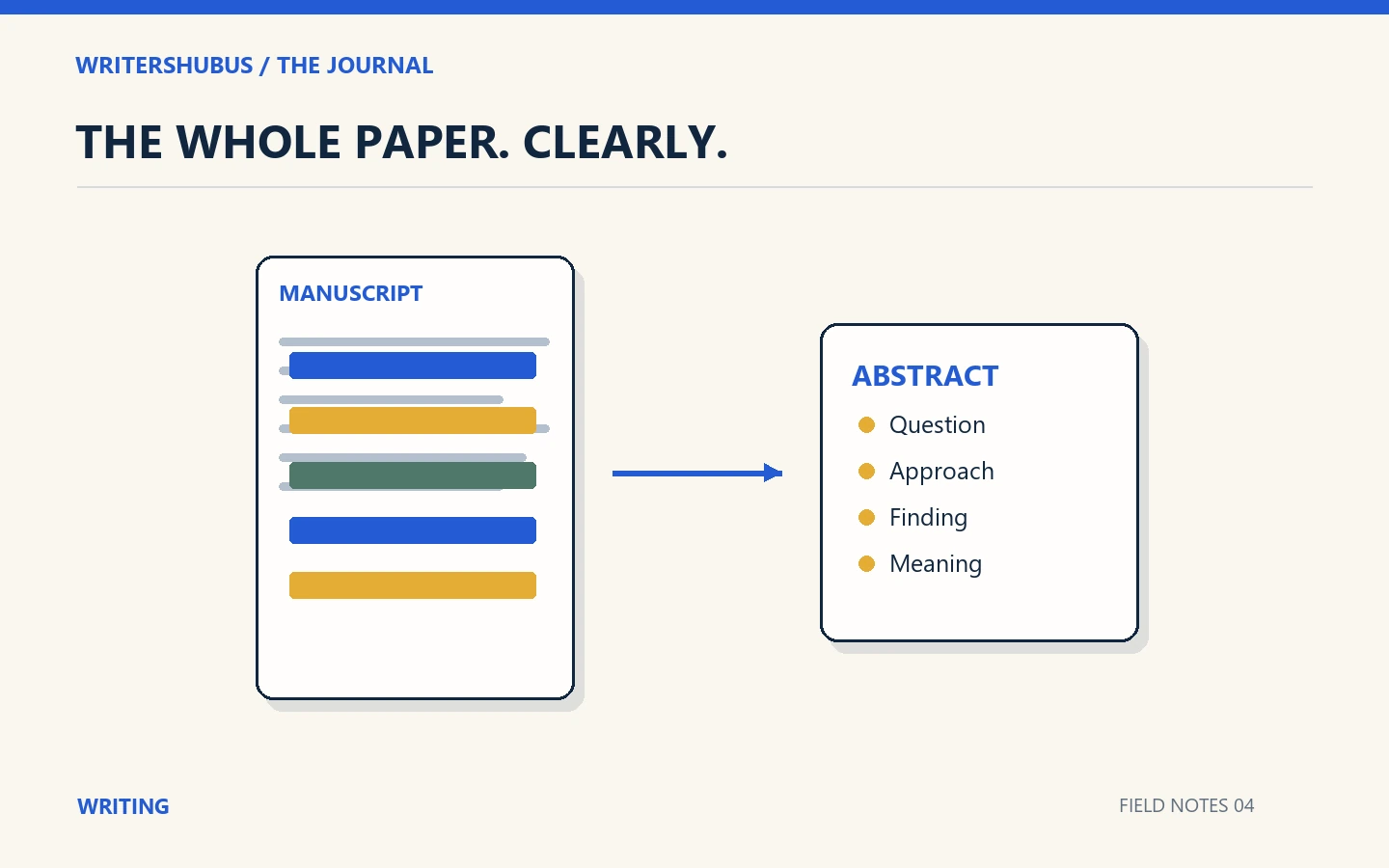
Writing
Turn your actual question, approach and findings into a clear abstract using an annotated hypothetical example.
Read story →The Journal Library
Find a practical guide, follow your curiosity, or explore a topic that matters to you.
97 storiesLearning
Build a usable reference index, practise applying course concepts and make a time plan for an open-book exam.
Learning
Create clearer prompts, check your answers honestly and connect flashcard reviews with the work your course expects.
Learning
Prepare files, choose realistic travel tasks and check submission plans before leaving campus with your team.
Writing
Turn your actual question, approach and findings into a clear abstract using an annotated hypothetical example.
Writing
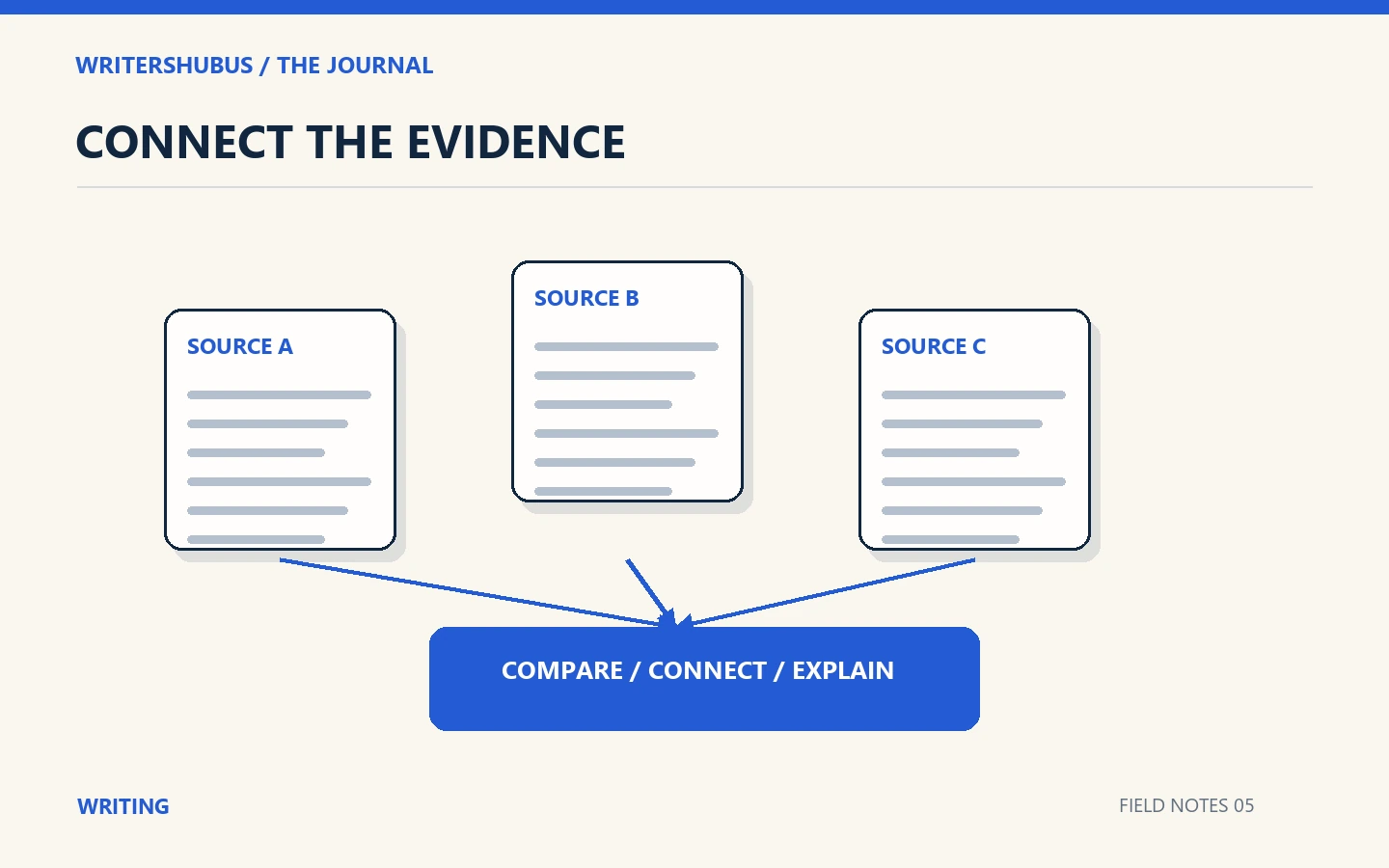
Move beyond source-by-source summaries with a comparison matrix, thematic structure and carefully bounded conclusions.
Writing
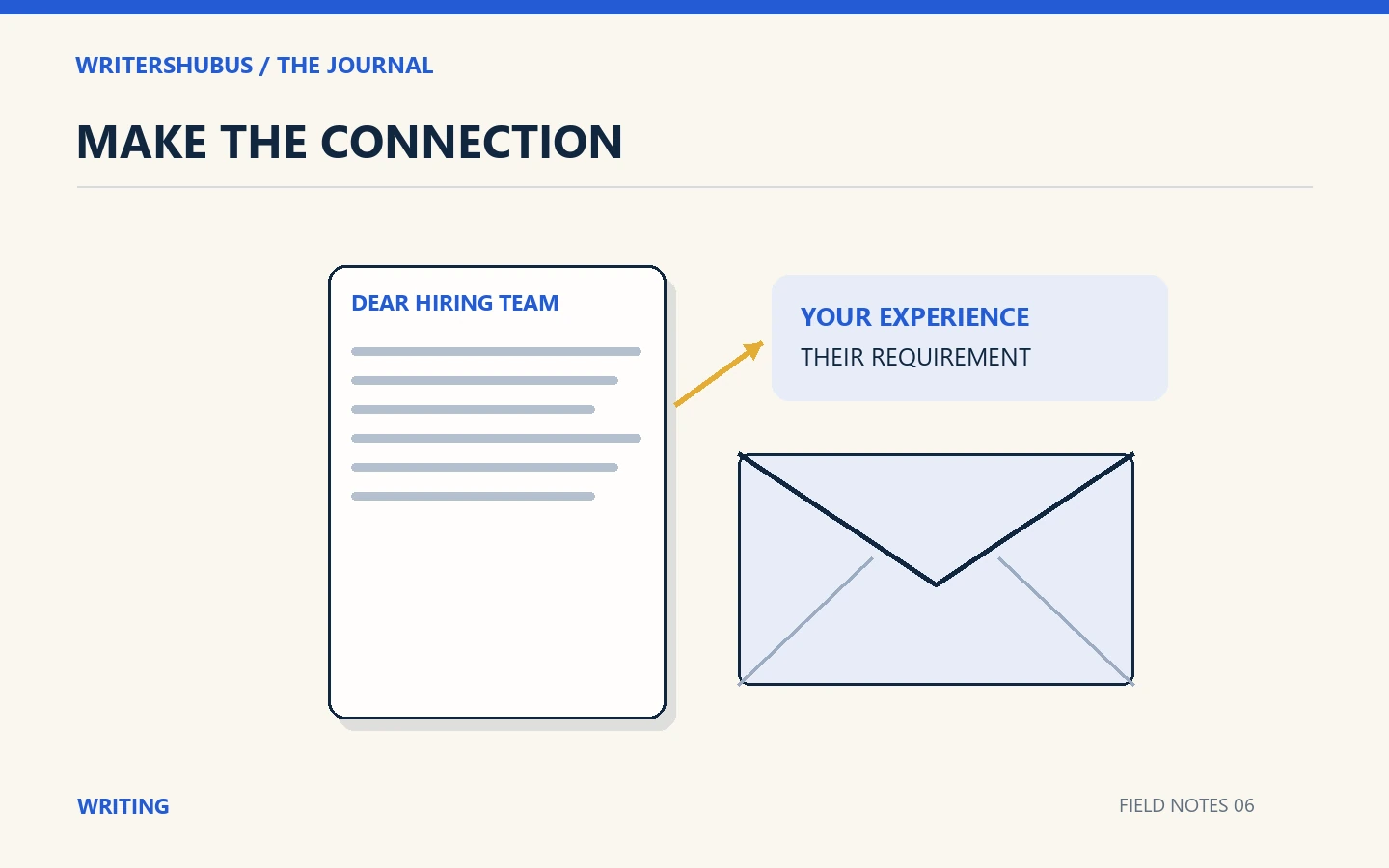
Match a real role to evidence from coursework, volunteering, sport or work without inventing achievements.
Research
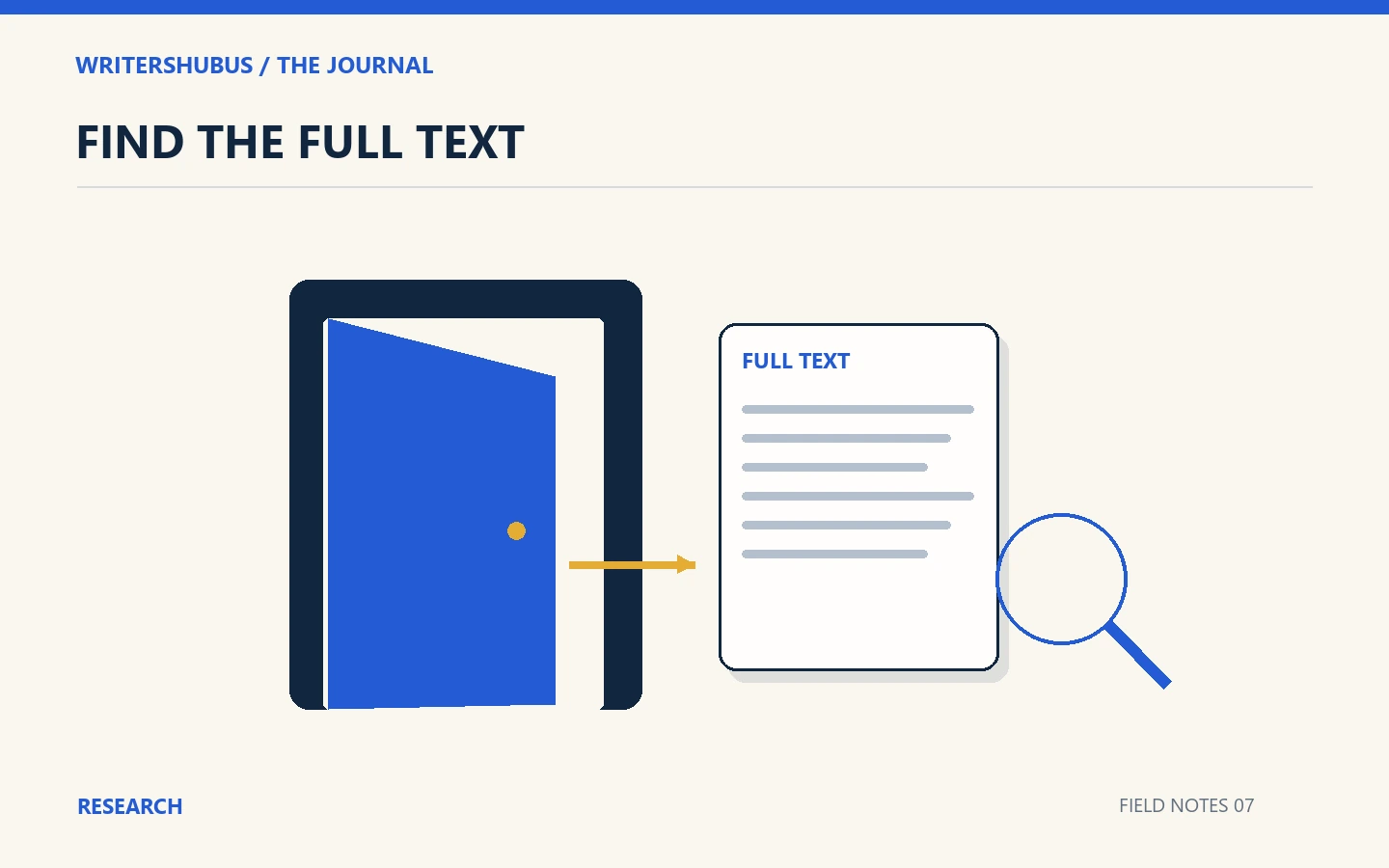
Try library access, authorised open versions and document delivery, then check which version of a paper you have found.
Research
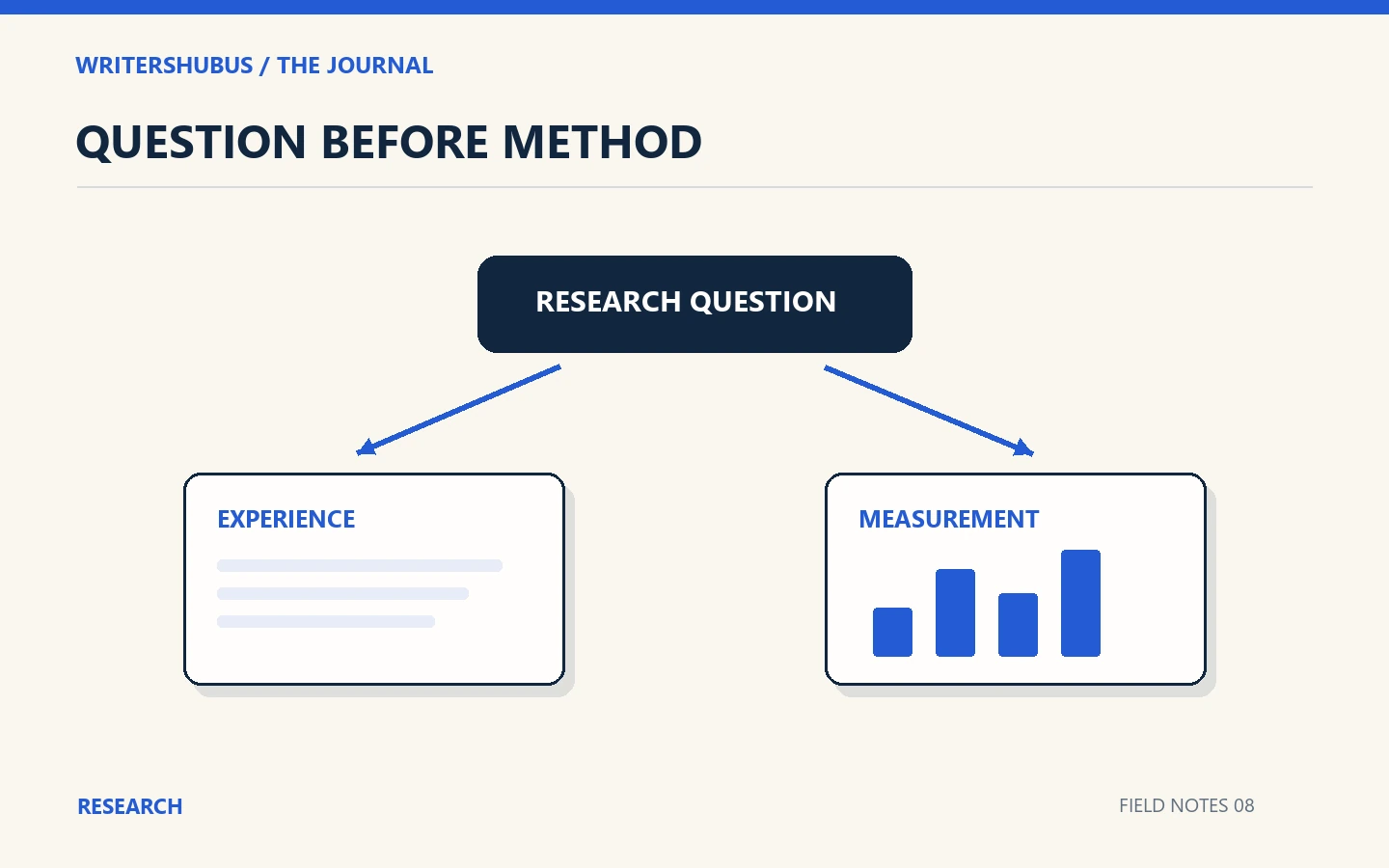
Connect your research question to evidence, sampling and analysis using a side-by-side hypothetical project.
Research
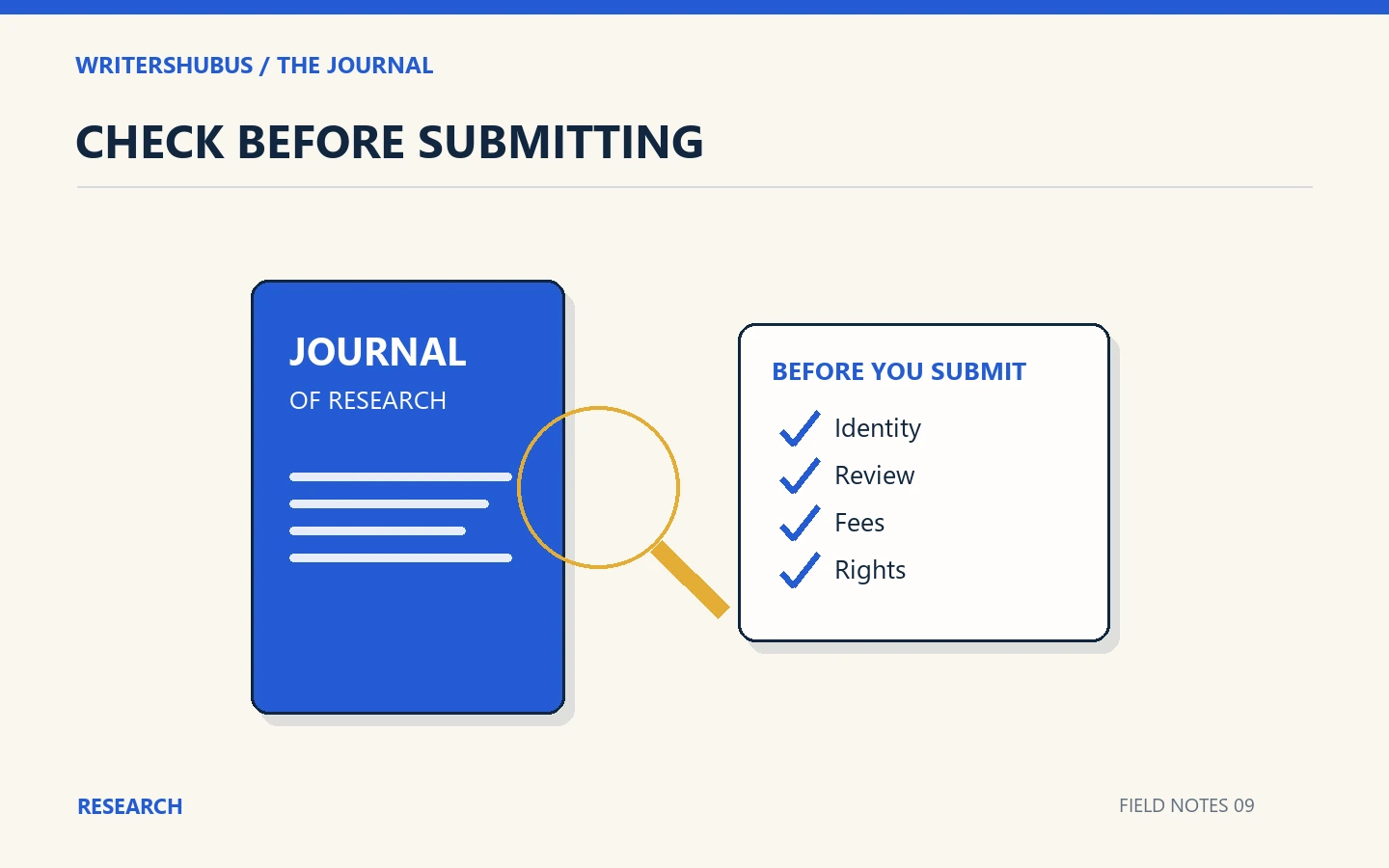
Check a journal’s identity, review process, fees, indexing claims and fit before sending your manuscript.
Careers & work
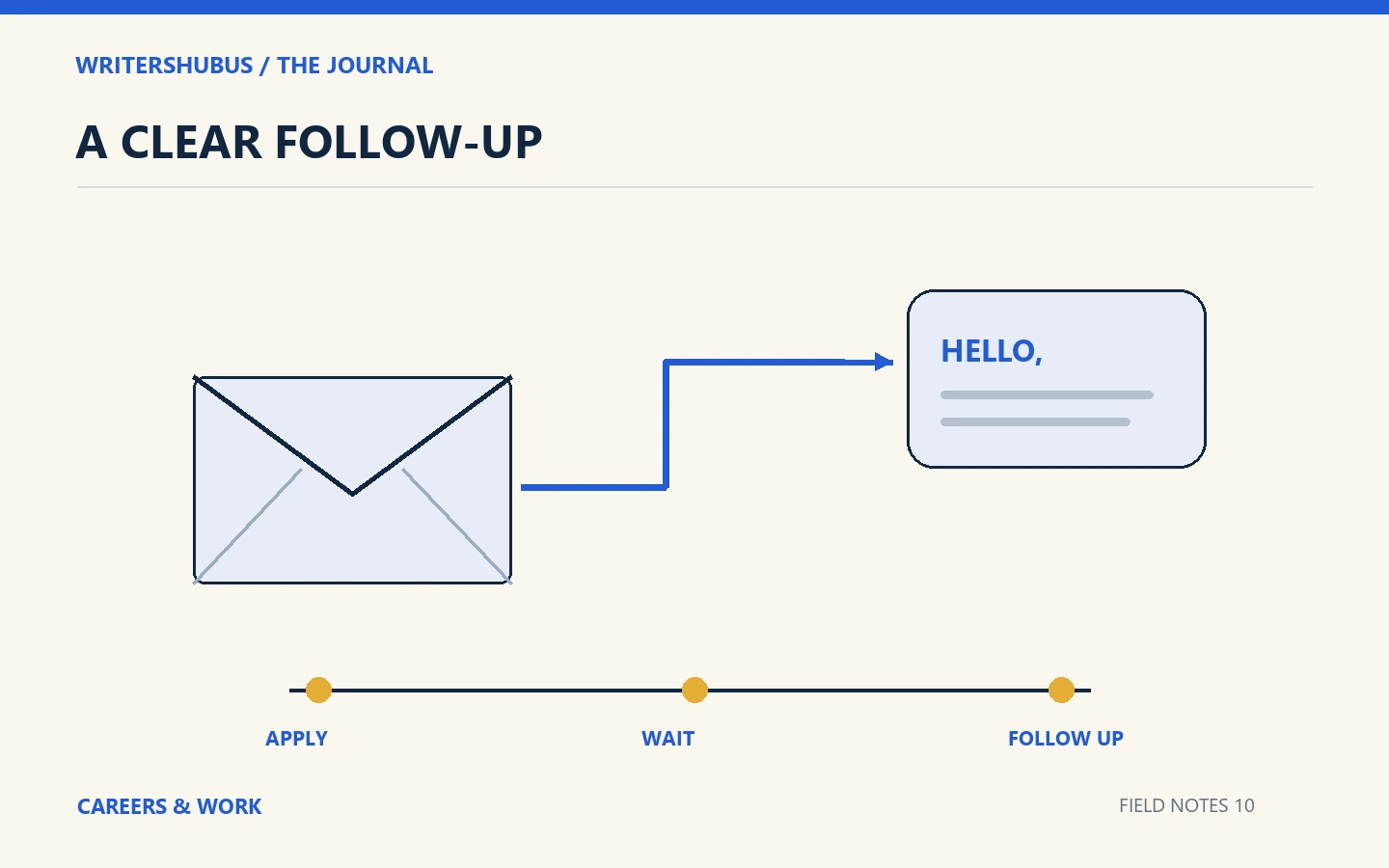
Choose the right purpose, channel and timing for a concise follow-up, with adaptable messages for different stages.
Careers & work
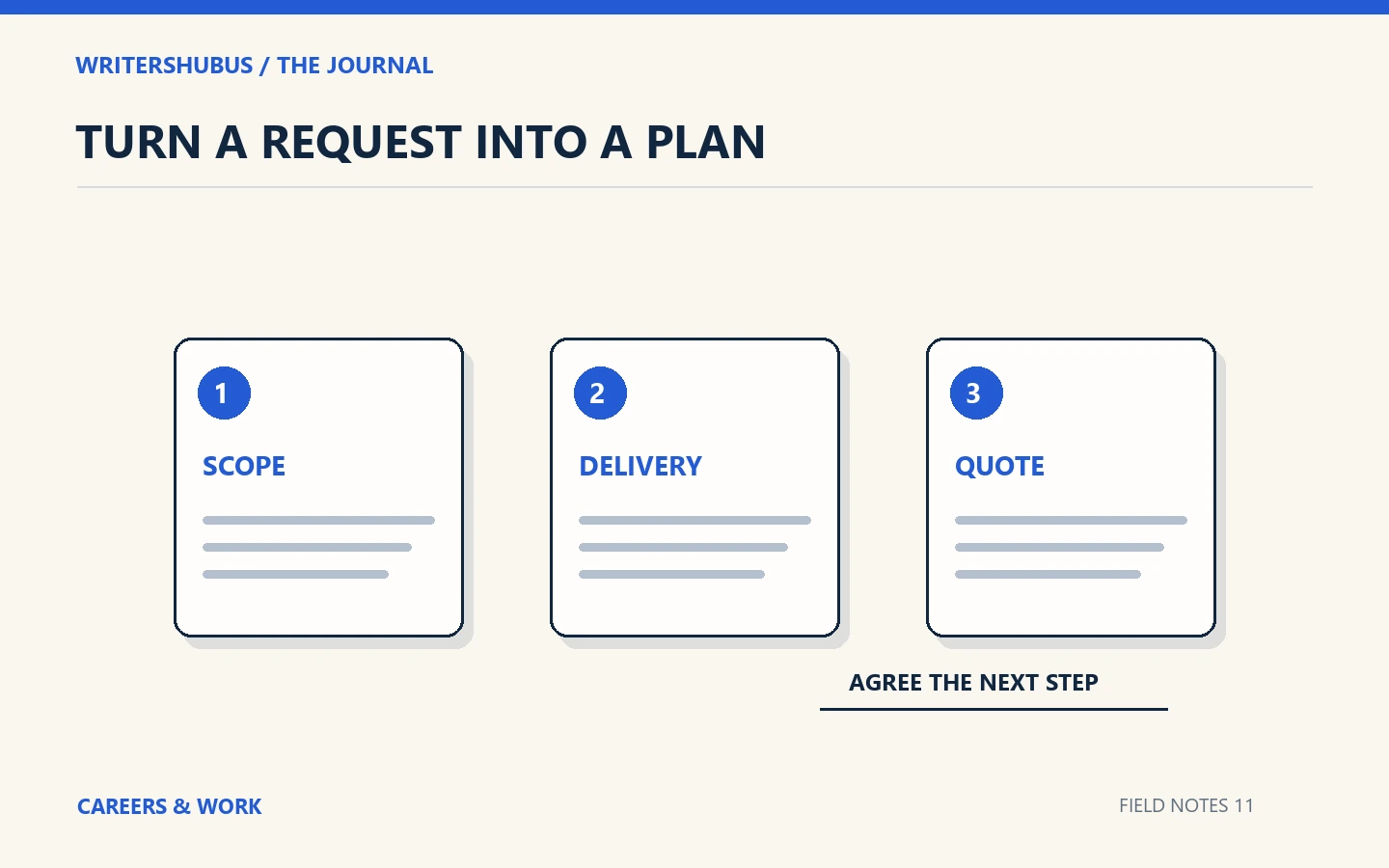
Define a deliverable, inputs, review process, schedule and price assumptions before asking a client to agree.
Careers & work
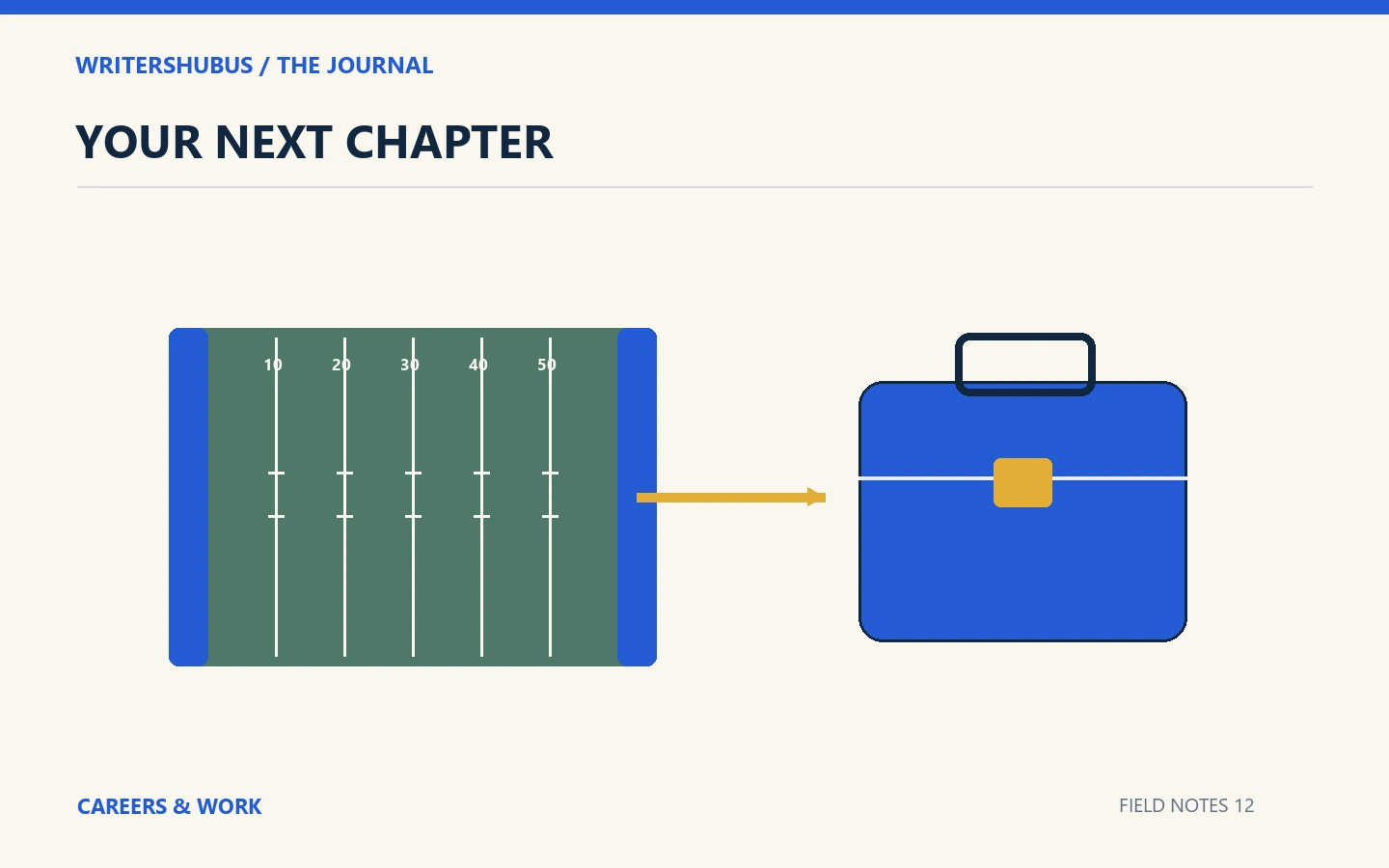
Explore work options, describe your real experience and build a manageable career plan alongside your season.
Life & wellbeing
Find repeat opportunities for connection and make realistic invitations around commuting, work, classes and training.
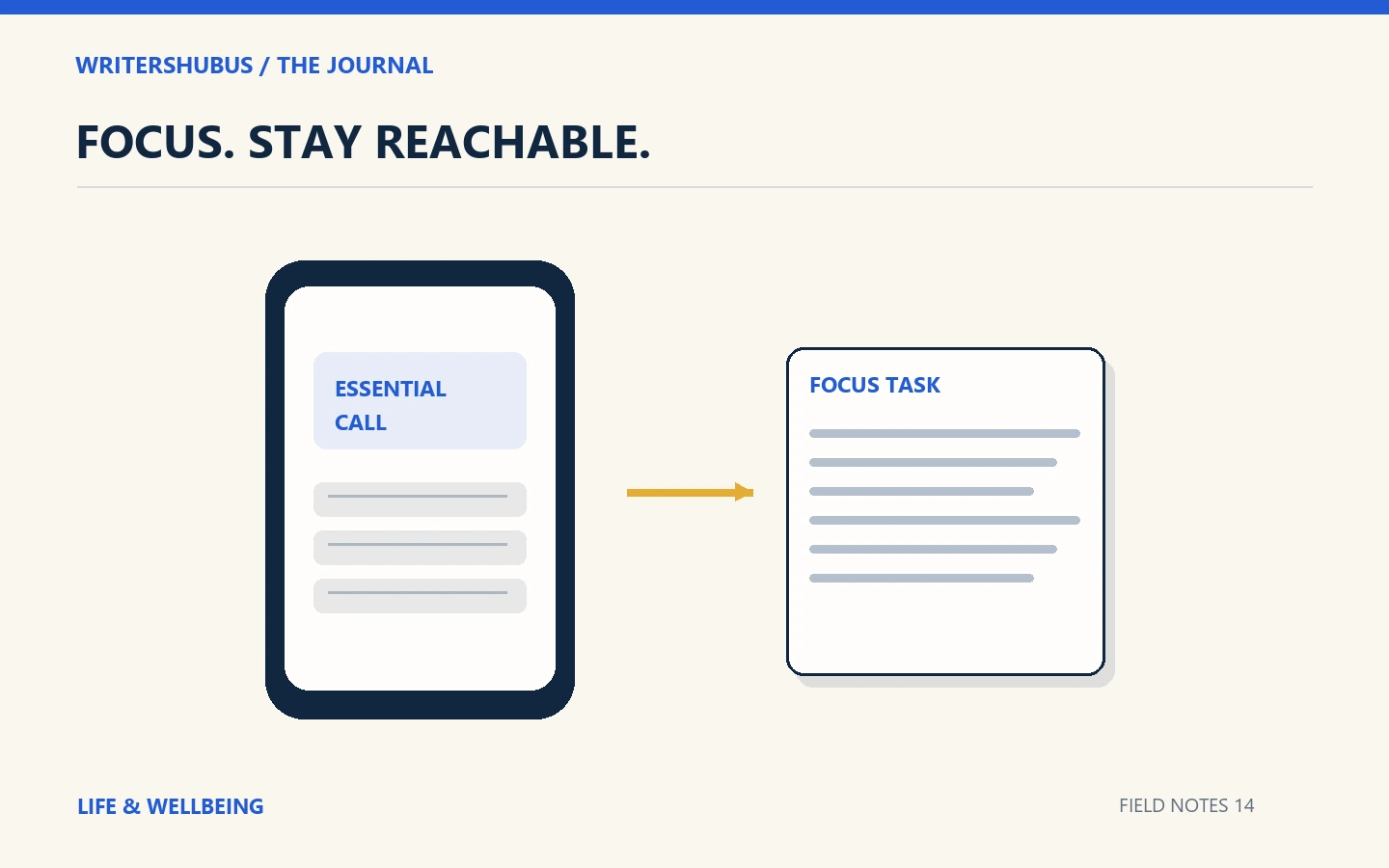
Life & wellbeing
Identify essential contacts, reduce unnecessary alerts and make it easier to restart work after an interruption.
Life & wellbeing
Find official campus food resources, check local requirements and plan a practical first enquiry without assumptions.
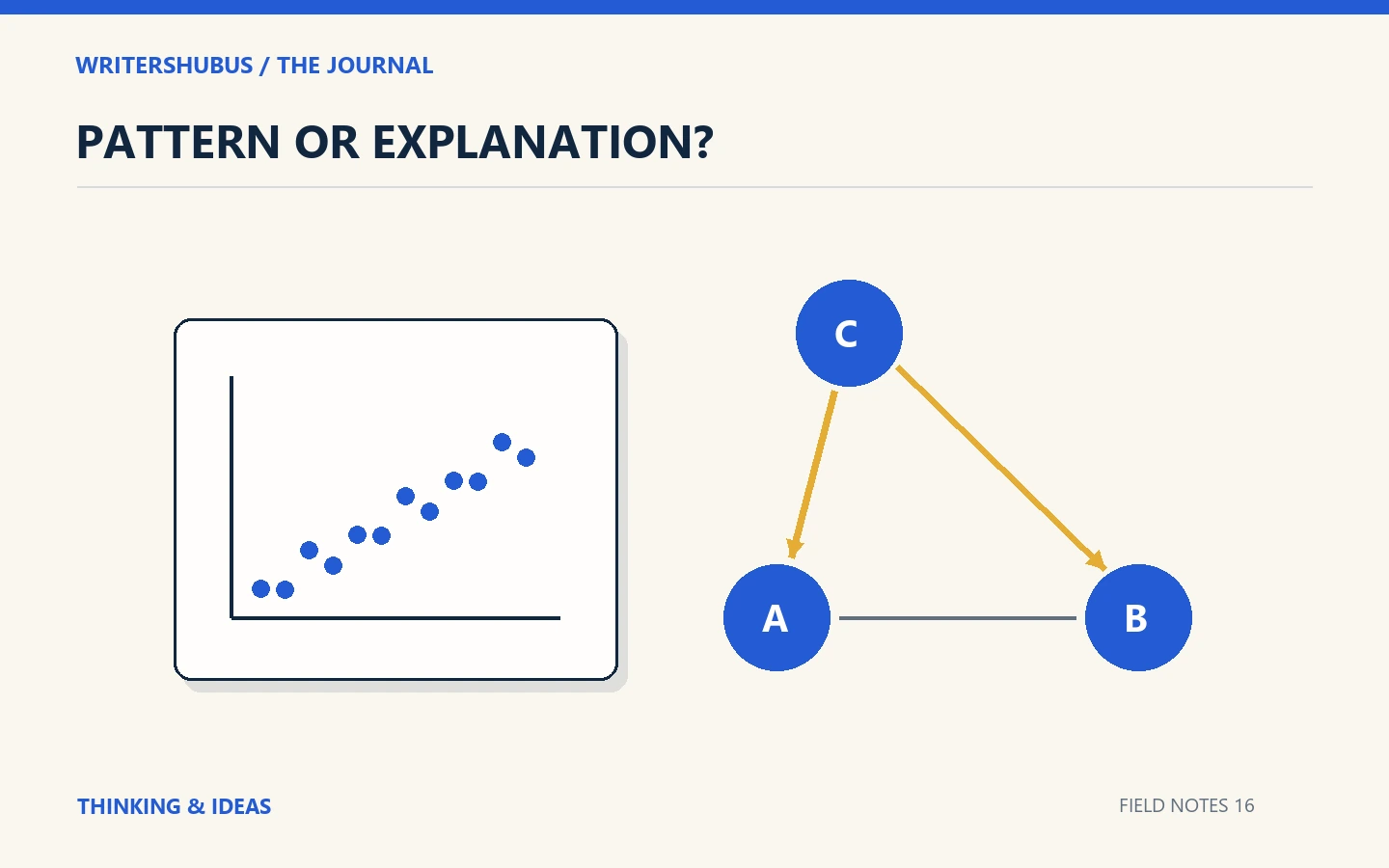
Thinking & ideas
Separate observed patterns from causal explanations using questions about measurement, comparison and alternative causes.
Thinking & ideas
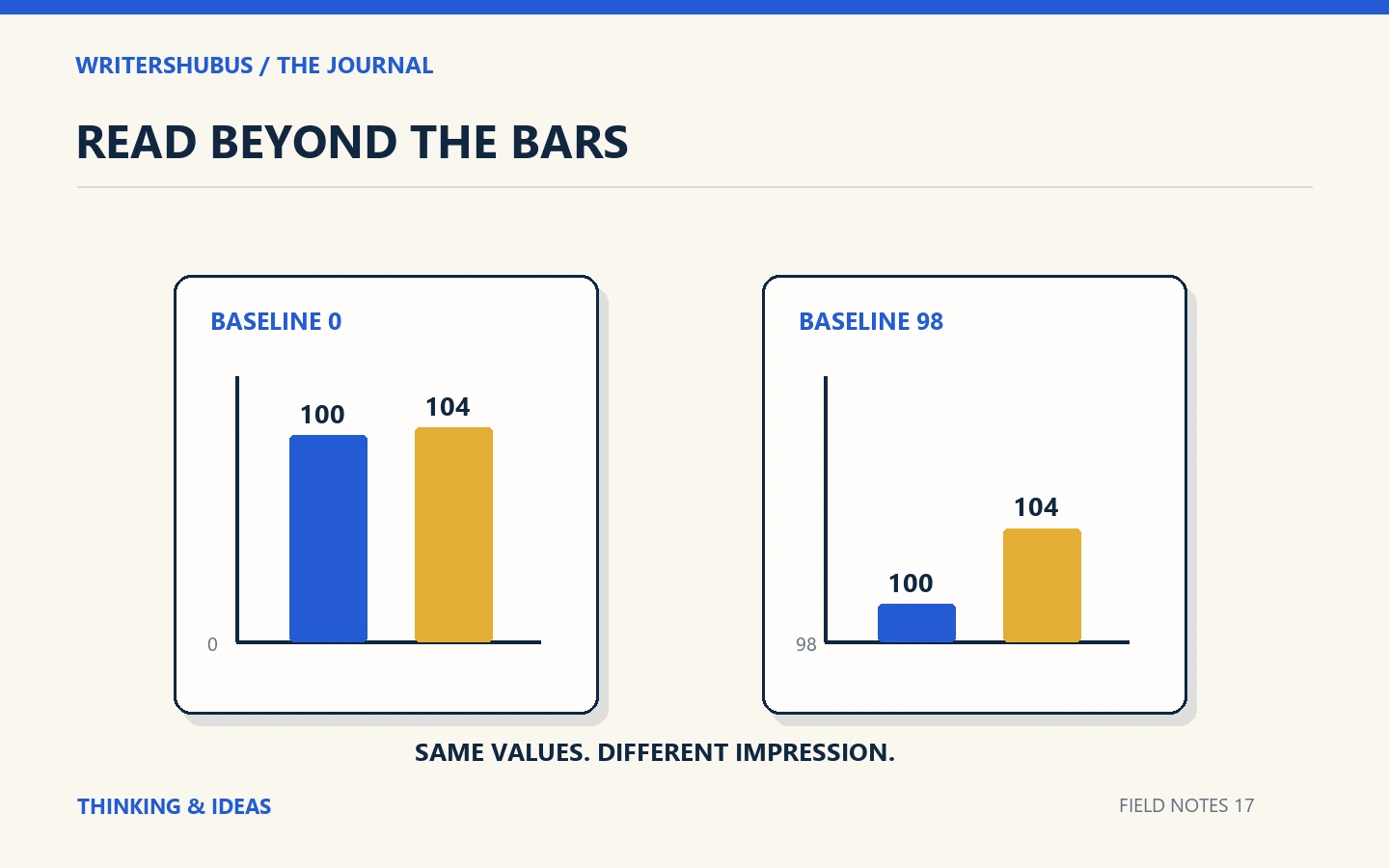
Check axes, denominators, time windows and missing context before accepting the claim attached to a chart.
AI & tools
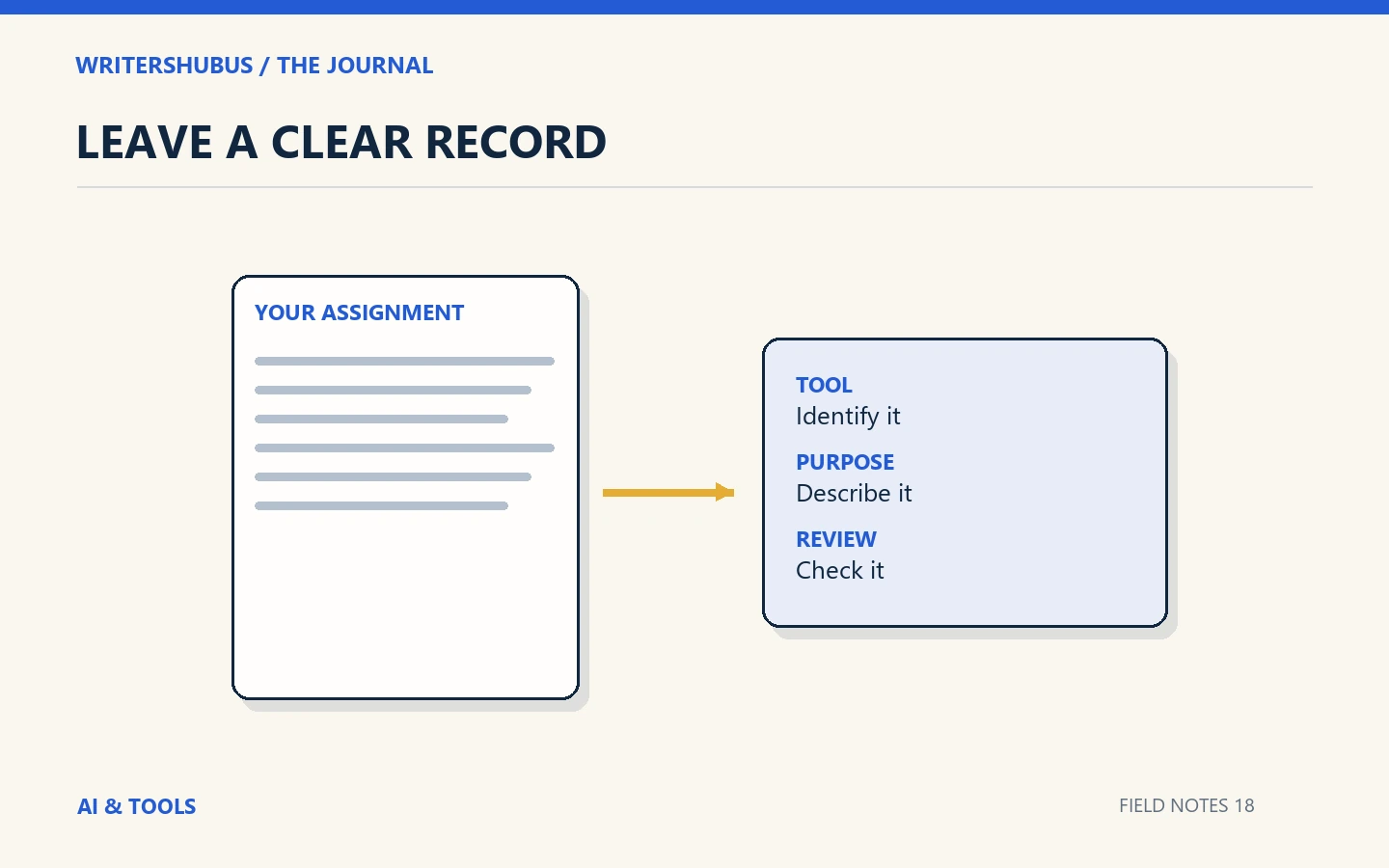
Distinguish permission, acknowledgement, citation and verification, then describe the tool’s actual role in your work.
AI & tools
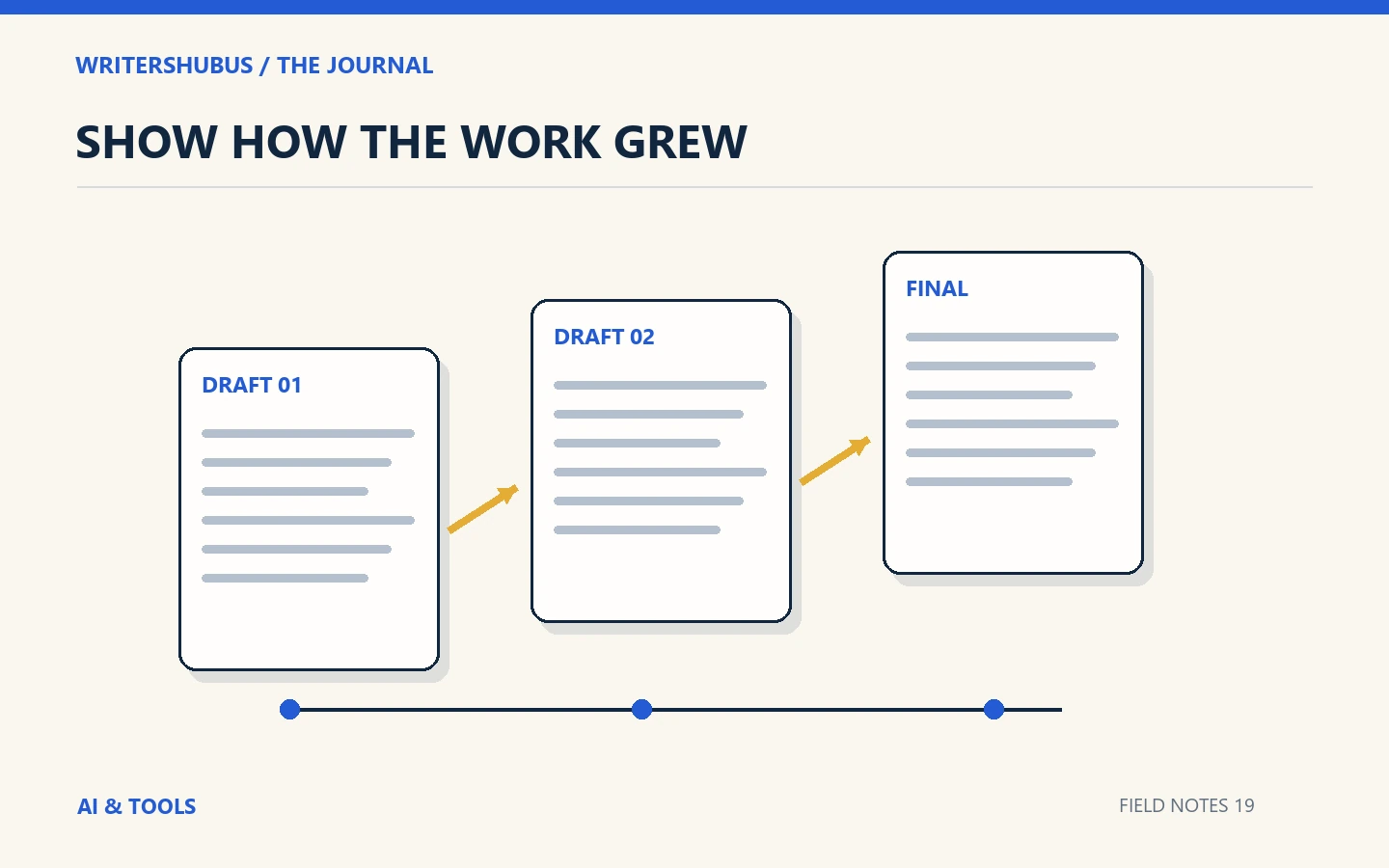
Understand the concern, preserve genuine drafts and respond through your institution’s process with relevant evidence.
AI & tools
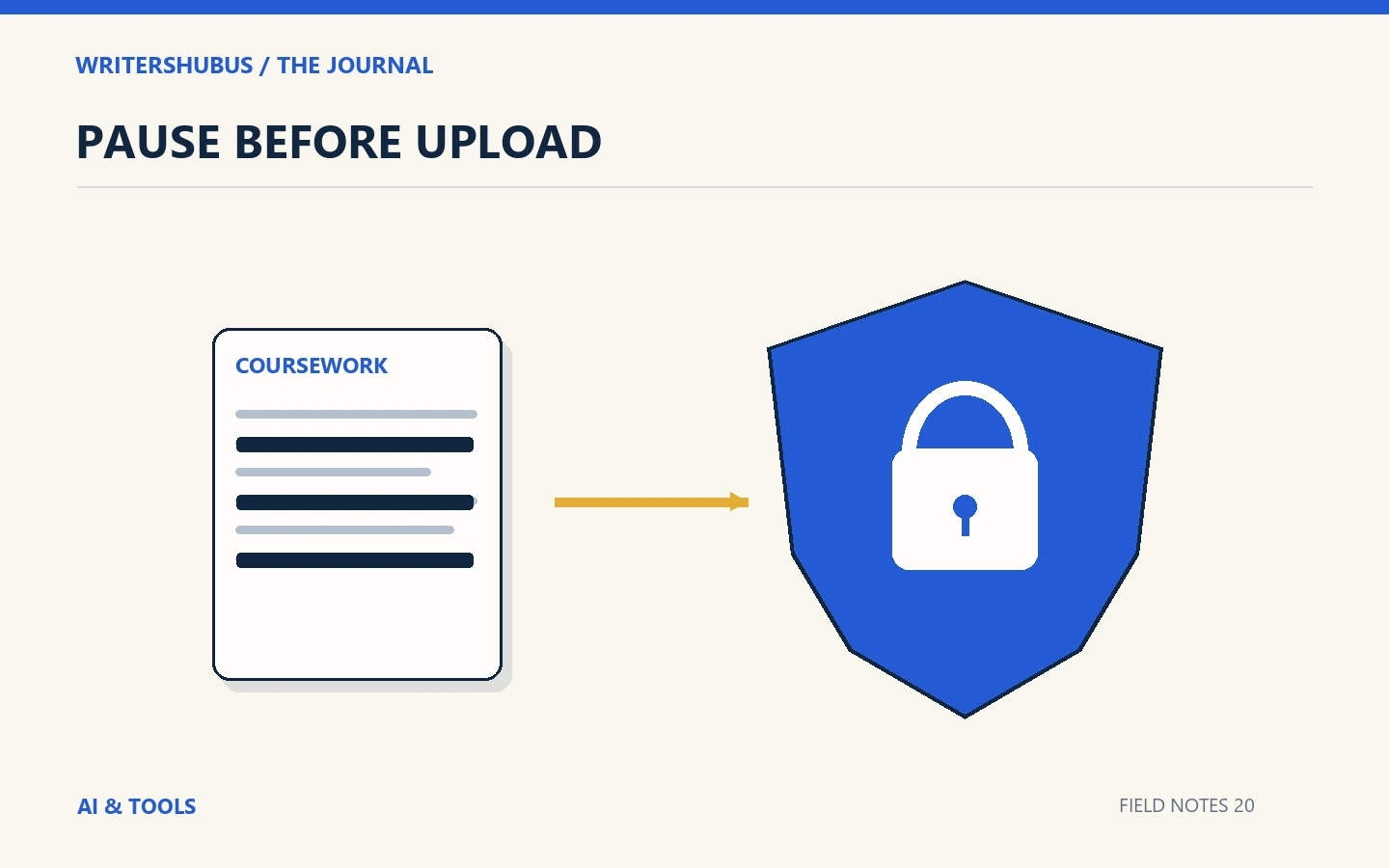
Review permission, private information, rights and account terms before deciding what material can be shared.

Learning
Find your school’s competition travel rules, request a workable makeup, and confirm what is due before the team leaves.

Learning
See which requirements remain, where your credits count, and what to ask your adviser before you commit to next term’s classes.

Learning
Verify what was submitted, check whether another attempt is allowed, and document your correction through the course’s accepted process.

Writing
Turn grading criteria into checks you can run on a draft, find the gaps that matter, and make a final pass before submitting.

Learning
Use course weights, posted scores and realistic assumptions to estimate your final grade and decide where study time could help most.

Research
Choose one supported takeaway, design a figure that explains it, and test the printed or digital poster before the session.

Research
Record exact database queries, dates, filters and exports so another person can retrace the search and understand what you kept.

Research
Link questions to a decision, give respondents clear options, and pretest the form before collecting answers.

Careers & work
Match wage and price-index periods, convert both amounts to the same dollars, and interpret the result alongside your own spending.

Research
Calculate both kinds of change, check the denominator, and write a comparison that readers can reproduce.

Careers & work
Work out whether a request is a correction or an addition, then explain the effect on deliverables, price and timing.

Careers & work
Pick people who observed work relevant to the role, ask permission, and give each reference the right context.

Careers & work
Check the job and recruiter through an independent channel before sending documents, opening a portal or moving money.

AI & tools
Check whether the citation exists and whether the original source supports your exact claim, with a method for handling failed checks.

Writing
Turn an evidence file into a short recommendation that compares feasible options and specifies the action, owner and review date.

Learning
Turn a shared study session into independent attempts, useful explanations and practice that reveals what each person understands.

Research
Organise observations, methods, findings and interpretation into a clear report without inventing missing details or overstating the evidence.

Research
Move beyond a list of links: describe, evaluate and explain each source’s role while keeping citations and hypothetical examples honest.

Writing
Build a short talk around a clear question, useful examples, readable slides and a spoken explanation that fits the time available.

Writing
Map what each paragraph actually does, spot repeated points and rebuild the argument before polishing individual sentences.

AI & tools
Create a simple system for finding the current draft, preserving submissions and checking that important work can actually be recovered.

Careers & work
Ask focused questions about real work, respect the other person’s time and turn the conversation into a useful career experiment.

Learning
Prepare a focused point, listen for the real question and contribute evidence or a useful distinction without dominating the room.

Learning
Use returned work to identify specific errors, test a repair and make your next preparation plan more informed than simply studying longer.

Careers & work
Transfer the project’s status, decisions, files and next actions so a new organiser or colleague can continue without reconstructing your memory.

Learning
Build an exam plan around real deadlines, practice, energy, and recovery instead of a color-coded fantasy.

Learning
Ask a useful academic question without overexplaining, guessing, or making the reader search for the important detail.

Research
Move from a subject you care about to a focused question that can guide a useful search, argument, or project.

Careers & work
Build a weekly study system that respects work shifts, travel, fatigue, and the real amount of focused time you have.

Learning
Set up a group project with clear roles, shared evidence, practical deadlines, and a respectful way to handle missed work.

Writing
Create a scholarship essay with a focused story, clear reflection, concrete evidence, and a revision process that protects your voice.
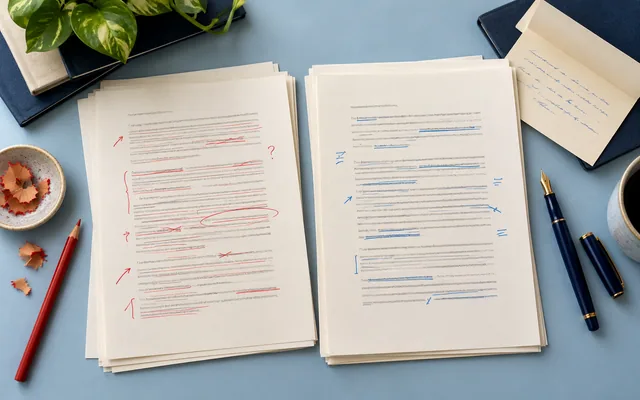
Writing
Use comments as evidence, decide what matters most, and revise the argument before polishing sentences.

Careers & work
Build credible evidence from classes, projects, volunteer work, and everyday responsibilities before you apply for internships.

Life & wellbeing
Use task design, emotional awareness, and smaller first actions to start work that feels too large, uncertain, or important.

Life & wellbeing
Use values, reversible tests, useful limits, and a written comparison to move from endless analysis to a grounded next step.

Careers & work
Create a small, honest portfolio that shows your skills, projects, process, and growth before an application deadline arrives.

Learning
A simple way to arrive with a useful question, make the most of a short conversation, and leave with a clear next step.
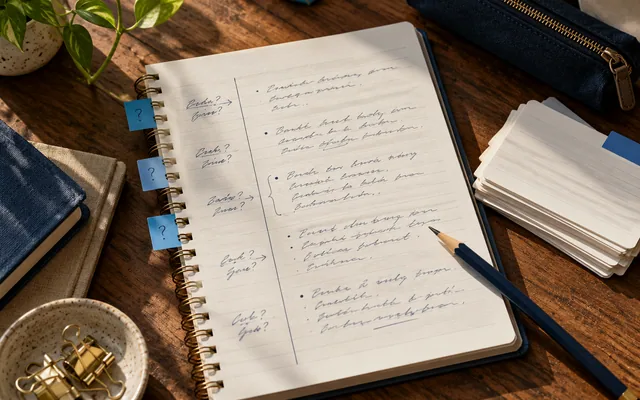
Learning
Move beyond copying slides with a note-taking routine that makes review, practice, and recall easier.

Learning
A practical reading routine for courses where the pages keep coming and simply highlighting is not enough.

Research
A clear search process for moving from a broad web search to credible academic books, articles, and reports.

Careers & work
A practical guide to asking clear questions, sharing context, and moving work forward with confidence.

Learning
A flexible way to turn deadlines into a realistic week without trying to plan every minute.

Learning
Work out what can still be recovered, protect the next deadline and rebuild understanding without trying to replay every missed study hour.

Life & wellbeing
Tell the difference between a crowded day and meaningful progress by defining outcomes, protecting focused work, and reviewing evidence.

Learning
Study more effectively in a distracting home by planning for interruptions, using short focused tasks, and creating practical boundaries.

Writing
Turn recognition into usable understanding with recall, original examples, comparison, and clear explanation.

Learning
Build preparation around independent attempts, checked answers and targeted repairs, so your next session responds to what you can actually do.

Learning
Make deliverables, next actions and dependencies visible, compare workload with real capacity, and act early when a deadline no longer fits.

Life & wellbeing
Check the real deadline, distinguish facts from predictions and give an everyday decision a clearer foundation when you are feeling under pressure.

Life & wellbeing
Understand the avoidance loop and make a difficult task smaller, clearer, and easier to begin without turning guilt into the plan.

Life & wellbeing
Set respectful boundaries with clearer limits, direct language, and room for another person’s reaction without treating guilt as proof you are wrong.

Life & wellbeing
Build self-improvement around values, visible habits, recovery, and realistic costs instead of constant pressure.

Research
Check a specific online claim by tracing its origin, examining evidence and looking beyond a page’s design, domain name or popularity.

Research
Choose primary, secondary, and tertiary sources by the question you are asking, not by assuming one category is always best.

Research
Keep quotations, paraphrases and your own thinking distinct, with a traceable path from each source to the notes and arguments you write.

Thinking & ideas
Compare exact claims, evidence, methods and scope before deciding whether two sources genuinely disagree or answer different questions.

Careers & work
Translate critical thinking into practical workplace habits: clarify the problem, check evidence, compare consequences, and explain your reasoning.

Careers & work
Build professional relationships through curiosity, preparation, useful follow-up, and small contributions—not transactional networking.

Careers & work
Choose career skills with real role evidence, an honest practice path, a visible project, and a clear review point.

Writing
Prepare an ordinary work disagreement around observable facts, a clear question and an actionable agreement, with room to hear what you may have missed.

Thinking & ideas
Turn a vague difficulty into an observable question, separate facts from assumptions and choose a small investigation that makes the next step clearer.

Careers & work
Move from an attractive idea to a bounded test with a clear audience, prediction, measure, and stopping rule.

Learning
A practical way to choose classes by looking beyond course titles to workload, timing, support, and the life you need the schedule to fit.

Life & wellbeing
A grounded way to rebuild confidence after a setback through evidence, small promises, support, and a clearer next step.

Research
A focused method for reading research when time is limited: set a question, use the article’s structure, preserve the source, and explain the point.

Careers & work
Build a stronger résumé from honest evidence in coursework, projects, volunteering, and small responsibilities—not inflated job titles.

AI & tools
Use AI as a study partner without giving away the thinking: attempt first, ask narrow questions, practice actively, and verify claims.

Thinking & ideas
A practical method for making a difficult decision without waiting for a perfect option: separate facts, values, forecasts, and reversible next steps.

Careers & work
Use interviews, small experiments, and real behavior to test demand before making a large investment.

Careers & work
Prepare for an interview with honest evidence stories, role-specific research, useful questions, and practical details that protect your attention.

Life & wellbeing
A calmer way to handle a to-do list that follows you into the evening: build a trusted inventory, choose tomorrow’s next actions, and close the day deliberately.

Careers & work
Build career direction through patterns, role evidence, small experiments, and a practical next horizon—not pressure to choose one lifelong title.

Thinking & ideas
A calmer way to choose when the future is unclear: define the decision, name the trade-offs, and take the next honest step.

Writing
Feedback should help you see the work more clearly — not turn your writing, project, or idea into someone else’s.

AI & tools
A practical way to use AI for retrieval, practice, and feedback while keeping your own thinking in the driver’s seat.

Careers & work
Your resume does not need years of job titles. It needs honest evidence that you can learn, contribute, communicate, and follow through.
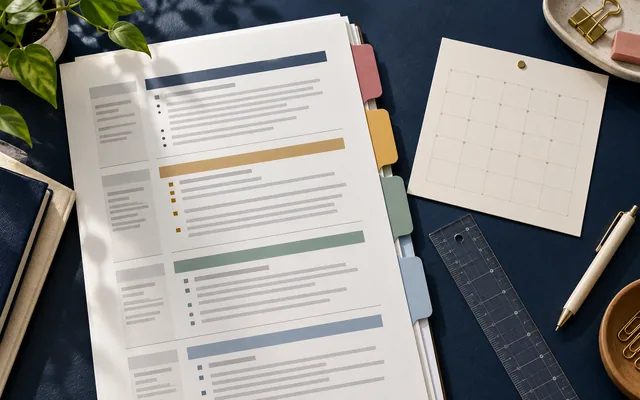
Learning
Turn a long syllabus into a clear plan for deadlines, expectations, and the questions worth asking early.
Try a broader word or choose “All stories.” The Journal keeps growing.
Choose a topic and find a guide that meets you where you are.
Study methods, college life and practical planning.
Clearer drafts, stronger explanations and useful feedback.
Find sources, evaluate evidence and build better questions.
Prepare for applications, conversations and the next step.
Thoughtful approaches to habits, pressure and everyday life.
Work through difficult choices and test what might work.
Use new tools while keeping your own thinking involved.
Learn how to find reliable material, compare conflicting claims and keep your research organised.
Read research guidesBeyond the article
WritersHubUS offers human support for planning, writing, editing, and organizing your next steps. For business, jobs, or consulting questions, our research desk is built for that work.