
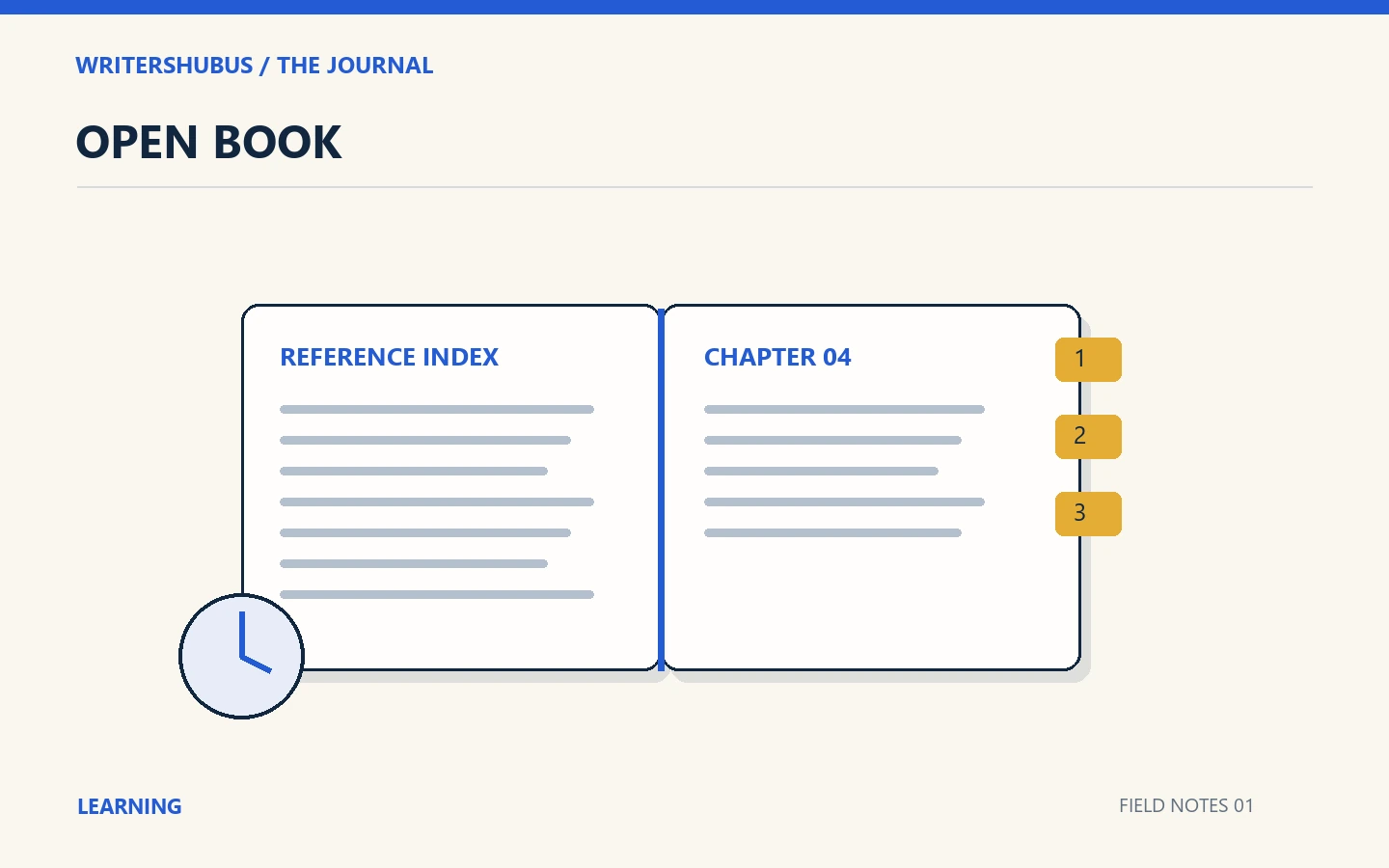
How to Prepare for an Open-Book Exam
Build a usable reference index, practise applying course concepts and make a time plan for an open-book exam.
7 min readFind your footing, make a workable study plan and practise what you need to understand.
Read in order, or choose the guide you need today.

Start by finding what you can still recover and what needs attention next.
7 min read
Turn those priorities into a week that fits your real commitments.
4 min read
Use practice and feedback to find the gaps that matter.
7 min readBuild a usable reference index, practise applying course concepts and make a time plan for an open-book exam.
7 min read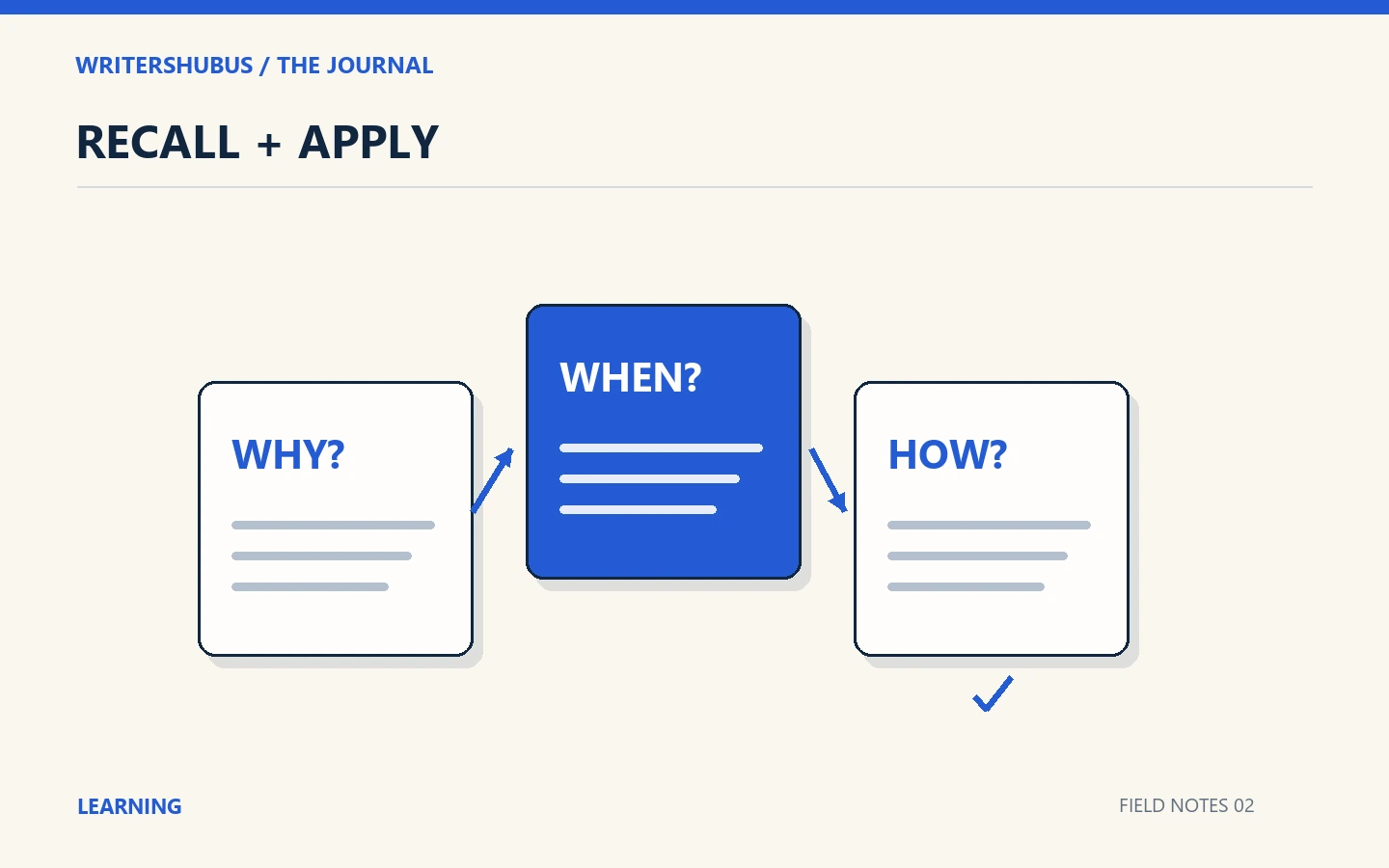
Create clearer prompts, check your answers honestly and connect flashcard reviews with the work your course expects.
7 min read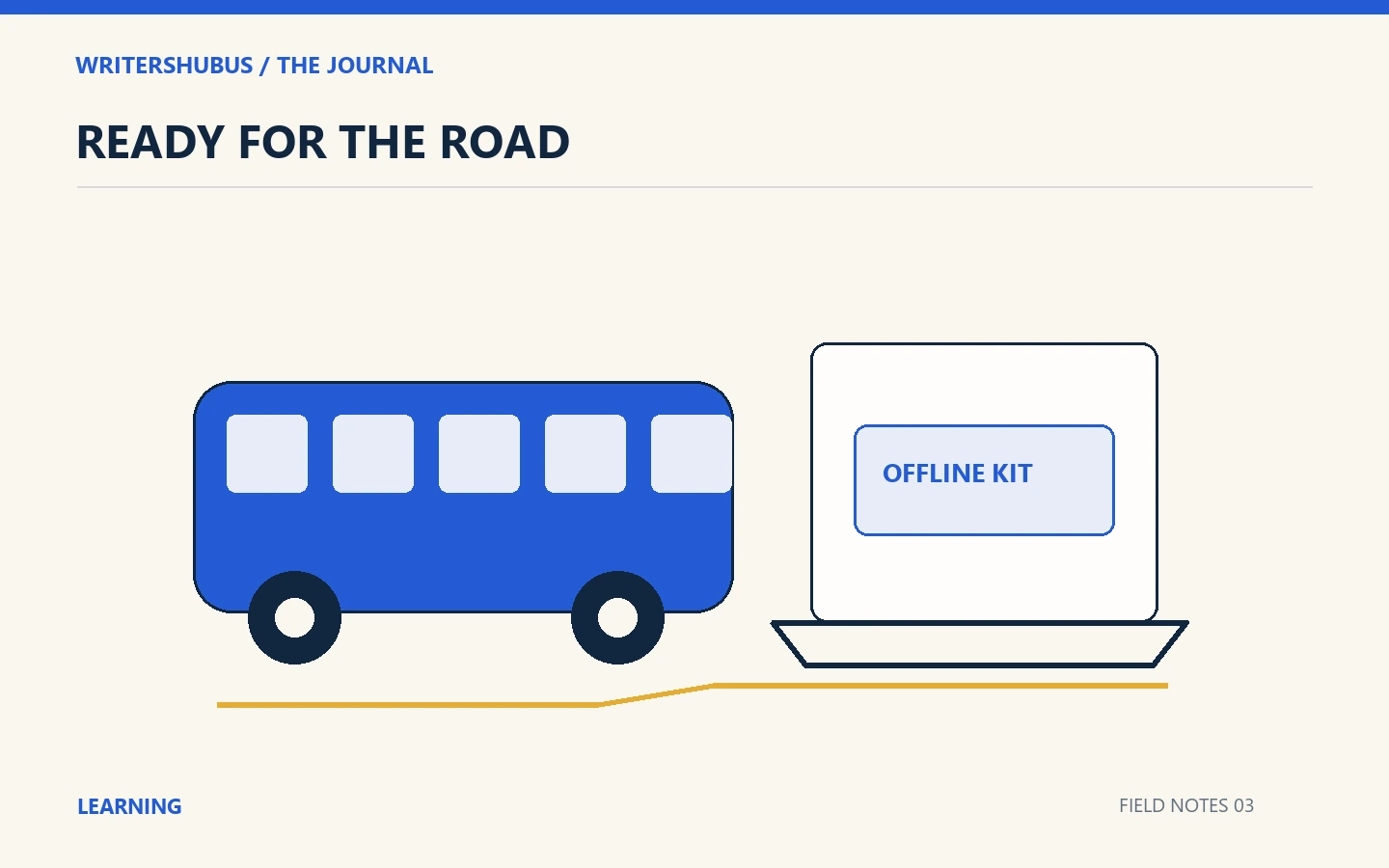
Prepare files, choose realistic travel tasks and check submission plans before leaving campus with your team.
7 min read
Find your school’s competition travel rules, request a workable makeup, and confirm what is due before the team leaves.
7 min read
See which requirements remain, where your credits count, and what to ask your adviser before you commit to next term’s classes.
7 min read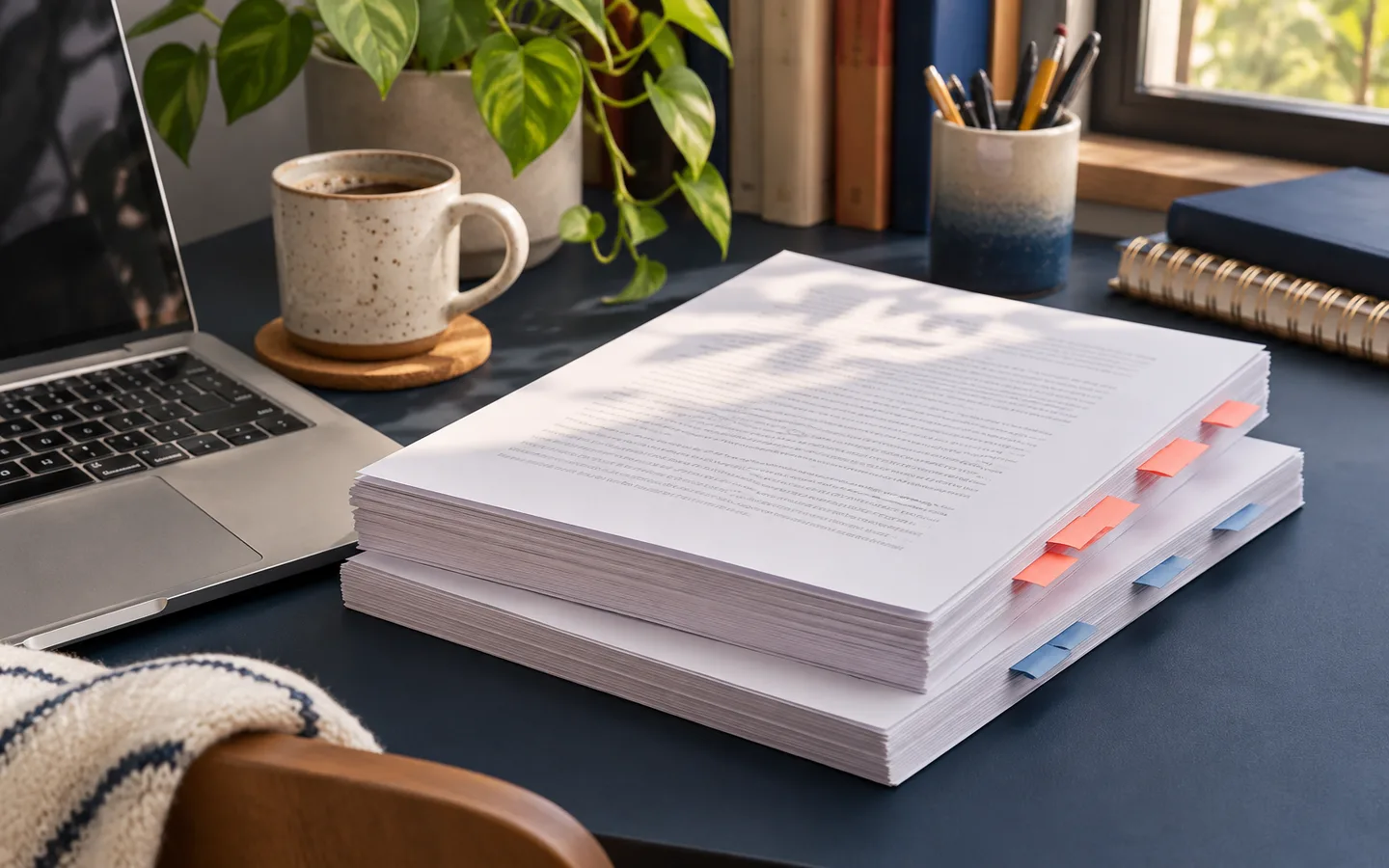
Verify what was submitted, check whether another attempt is allowed, and document your correction through the course’s accepted process.
7 min read
Use course weights, posted scores and realistic assumptions to estimate your final grade and decide where study time could help most.
7 min read
Turn a shared study session into independent attempts, useful explanations and practice that reveals what each person understands.
7 min read
Prepare a focused point, listen for the real question and contribute evidence or a useful distinction without dominating the room.
7 min read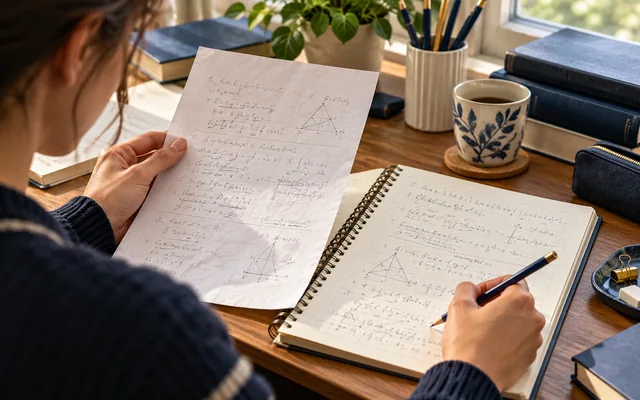
Use returned work to identify specific errors, test a repair and make your next preparation plan more informed than simply studying longer.
7 min read
Build an exam plan around real deadlines, practice, energy, and recovery instead of a color-coded fantasy.
4 min read
Ask a useful academic question without overexplaining, guessing, or making the reader search for the important detail.
4 min read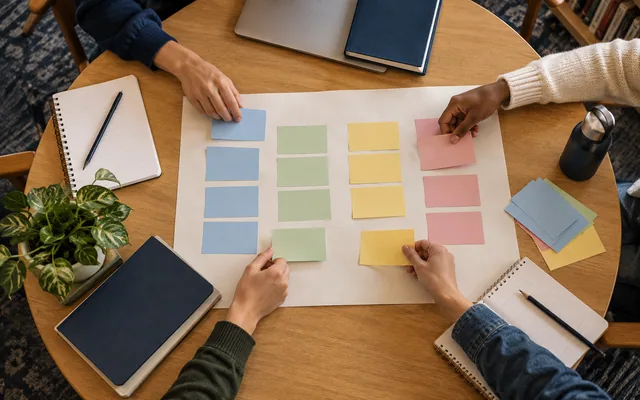
Set up a group project with clear roles, shared evidence, practical deadlines, and a respectful way to handle missed work.
3 min read
A simple way to arrive with a useful question, make the most of a short conversation, and leave with a clear next step.
3 min read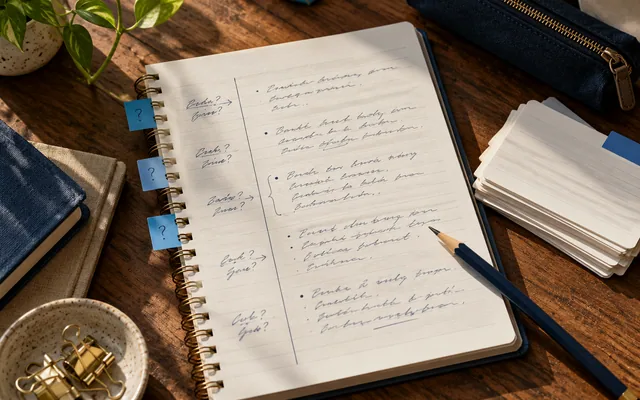
Move beyond copying slides with a note-taking routine that makes review, practice, and recall easier.
3 min read
A practical reading routine for courses where the pages keep coming and simply highlighting is not enough.
3 min read
Study more effectively in a distracting home by planning for interruptions, using short focused tasks, and creating practical boundaries.
3 min read
Make deliverables, next actions and dependencies visible, compare workload with real capacity, and act early when a deadline no longer fits.
7 min read
A practical way to choose classes by looking beyond course titles to workload, timing, support, and the life you need the schedule to fit.
4 min read
Turn a long syllabus into a clear plan for deadlines, expectations, and the questions worth asking early.
3 min read